


What have we been doing in the pilot areas?
6 reading timeResults of nature conservation activities in the 2022-2023 season
It’s true! Between September 2022 and June 2023, we returned to the pilot areas of LIFE Volunteer Escapes project – in Alteirinhos area (close to Zambujeira do Mar), and Malhão (close to Vila Nova de Milfontes).
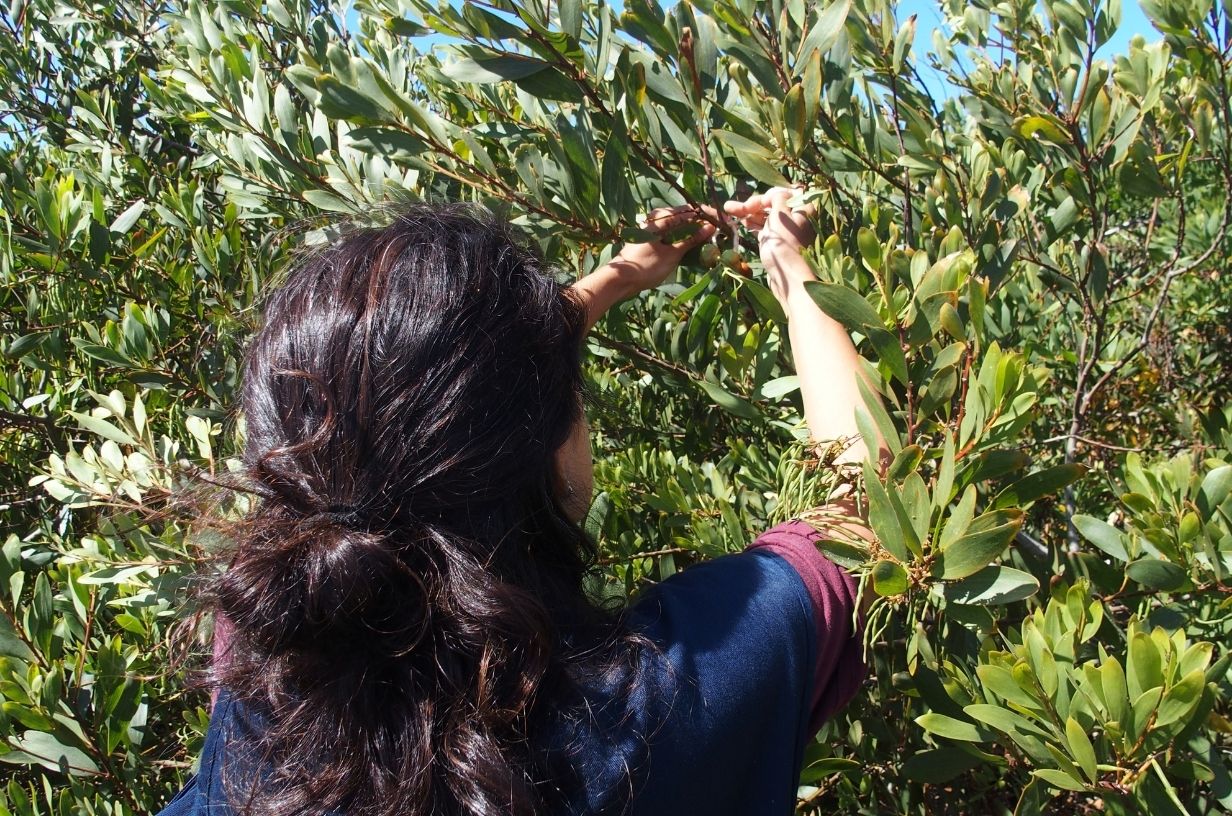
In this season, we were accompanied by volunteers who supported us in the control of the well-known invasive species – long-leaved wattle (Acacia longifolia) and hottentot fig (Carpobrotus edulis).
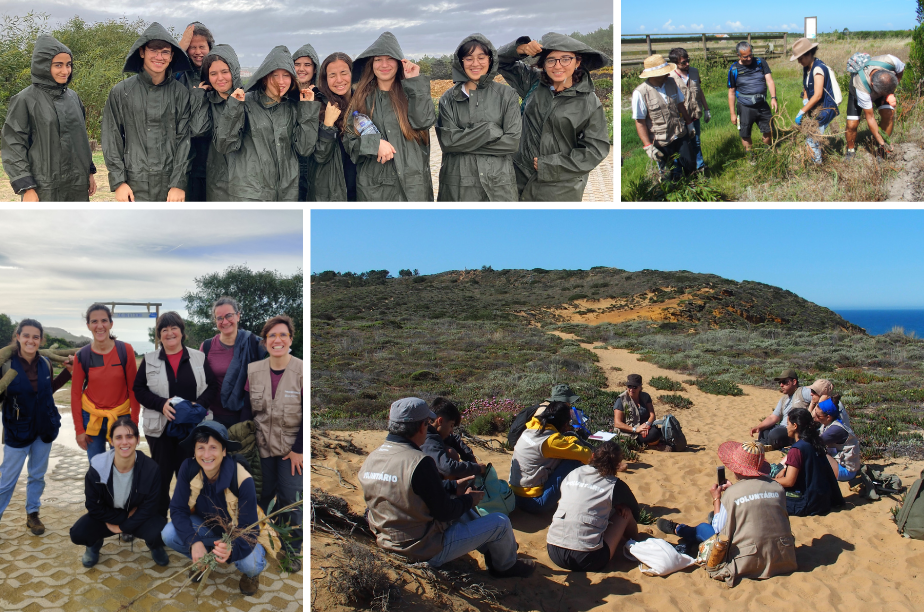
To be efficient, the monitoring and control of invasives must be a continuous and persistent work over several years, even after the native vegetation regains dominance. Although we are still far from that reality, we continue towards that goal, step by step. In each nature conservation activity, whenever possible, we mapped the area where we intervened, counted the number of plants removed (or square meters) and registered the applied techniques.
ALTEIRINHOS’ JUNIPERS PILOT AREA
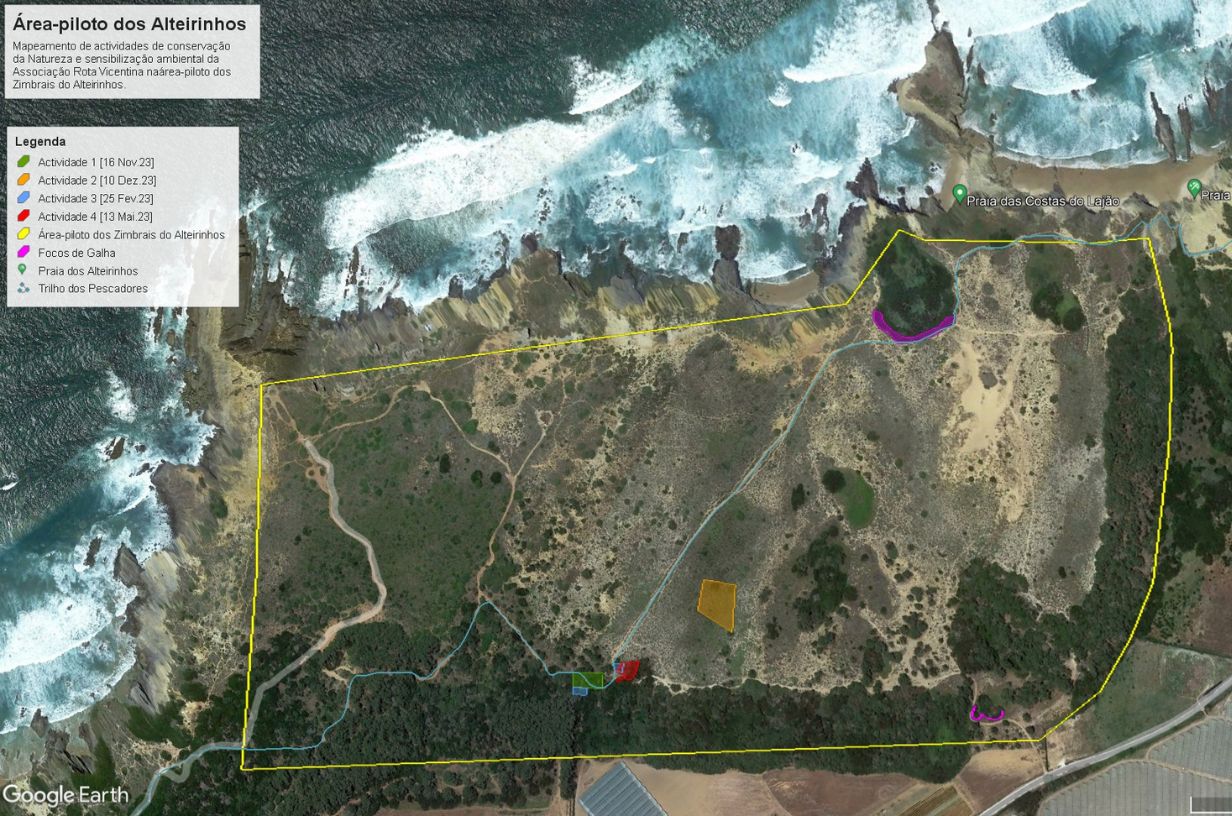
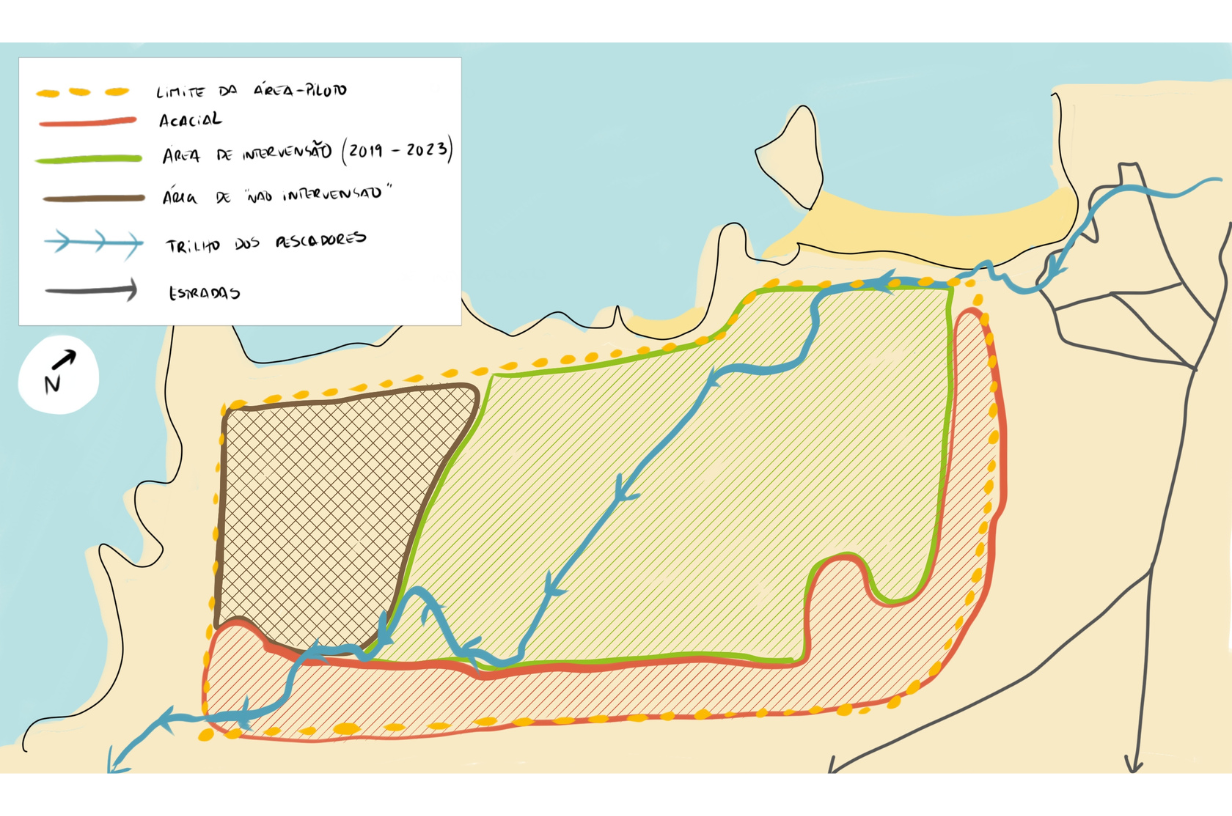
The Alteirinhos pilot area is quite extensive, covering a total of 40 hectares, of which about 30% (12 hectares) are densely invaded by Acacia longifolia (red sector in the image). From the beginning of the LIFE Volunteer Escapes project, we chose not to intervene in 10 out of the 40 hectares (brown sector in the image) due to the good density of native vegetation. Thus, since the beginning of the project, we have focused our attention on the approximately 20 hectares (green sector in the image), between the coastline and the dense strip of Acacia longifolia.
In this season, we had 4 interventions in the Alteirinhos pilot area:
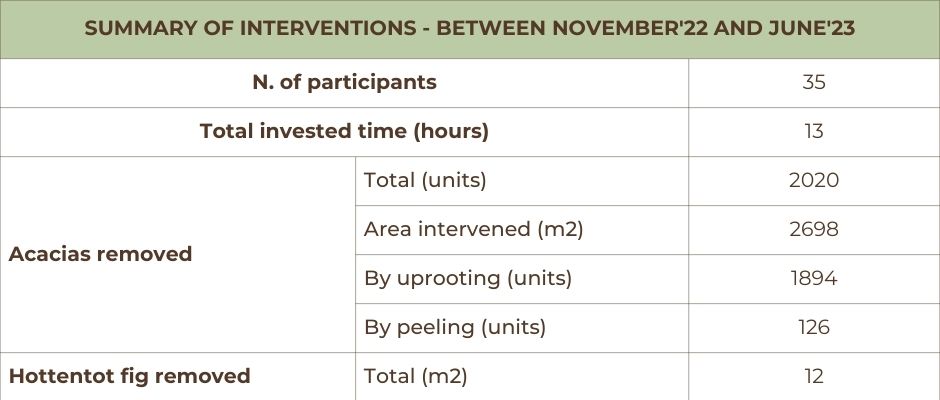
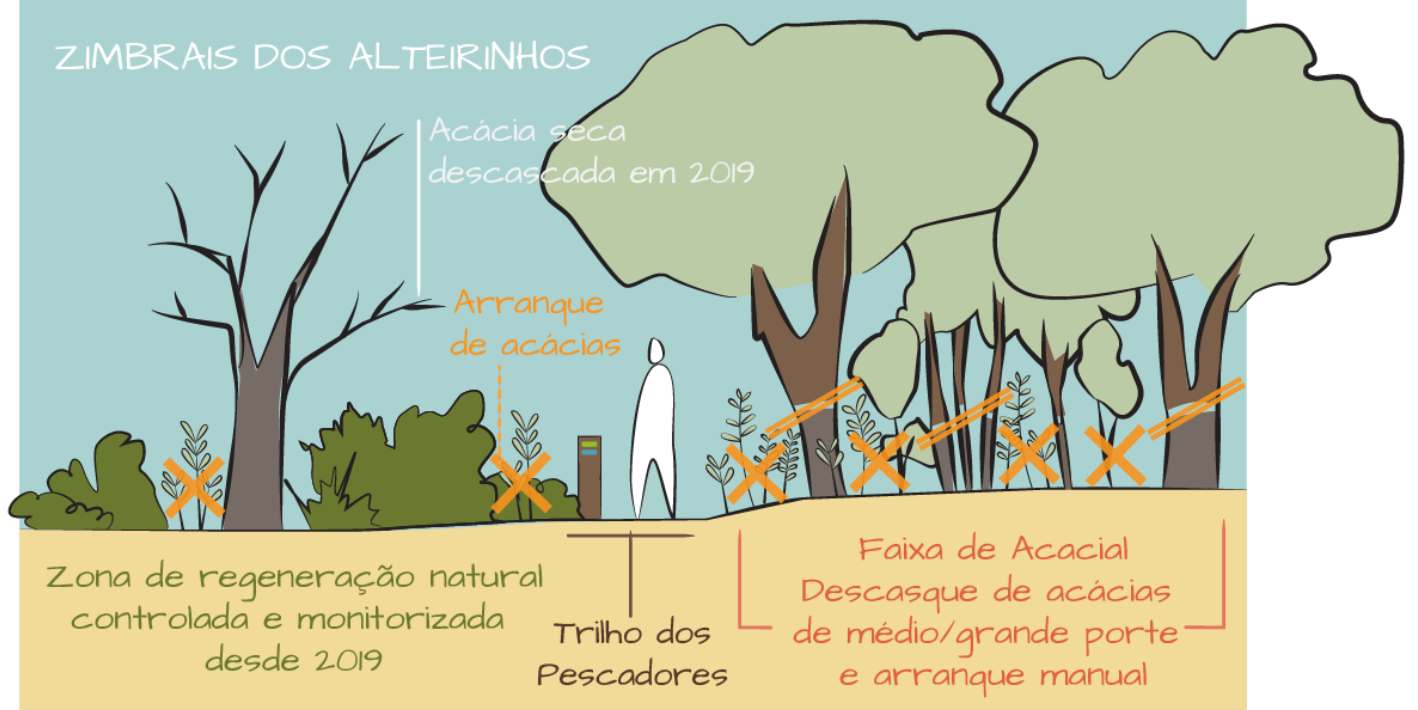
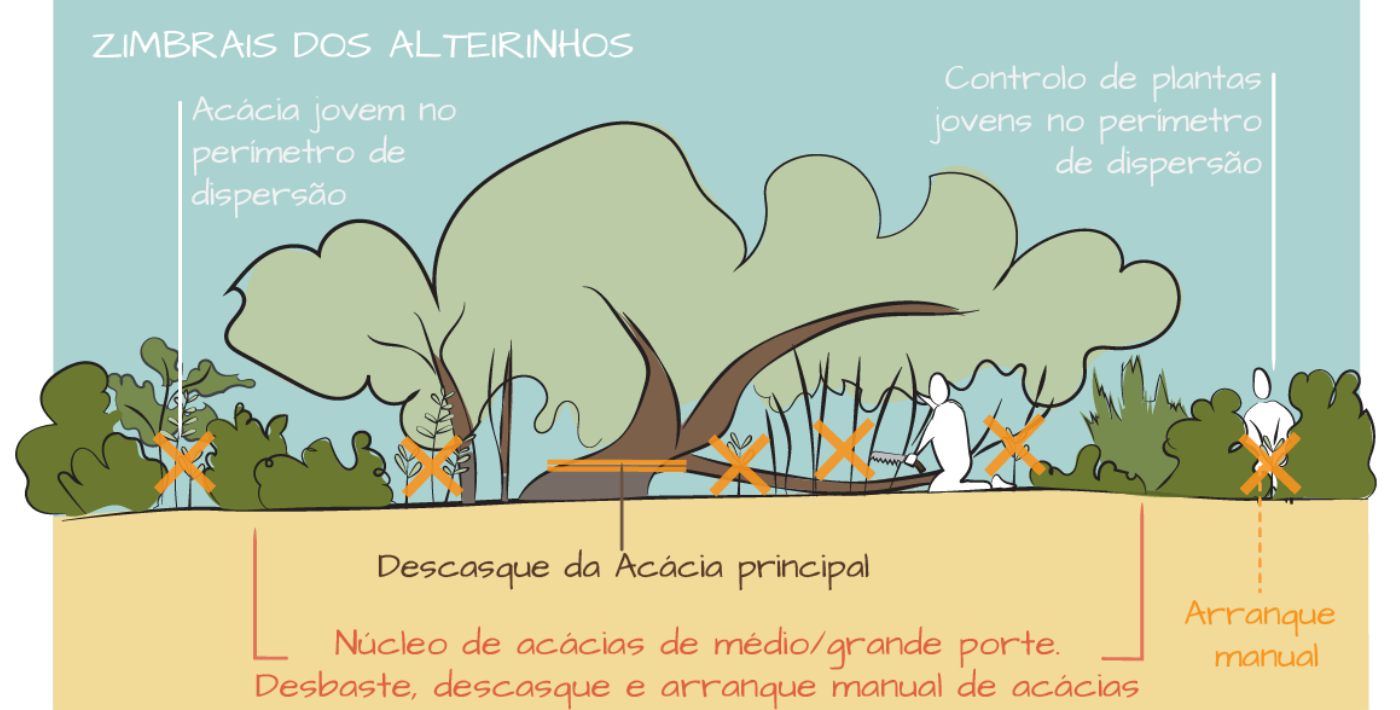
In addition to the already mentioned control techniques (manual uprooting and peeling), we introduced a new method this year that may make a big difference in the long-term recovery of this area! On May 13th, along with the invasive species control activity, biologist Paula Canha conducted a workshop about Trichi galls, a small wasp (Trichilogaster acaciaelongifoliae) that helps control Acacia longifolia.
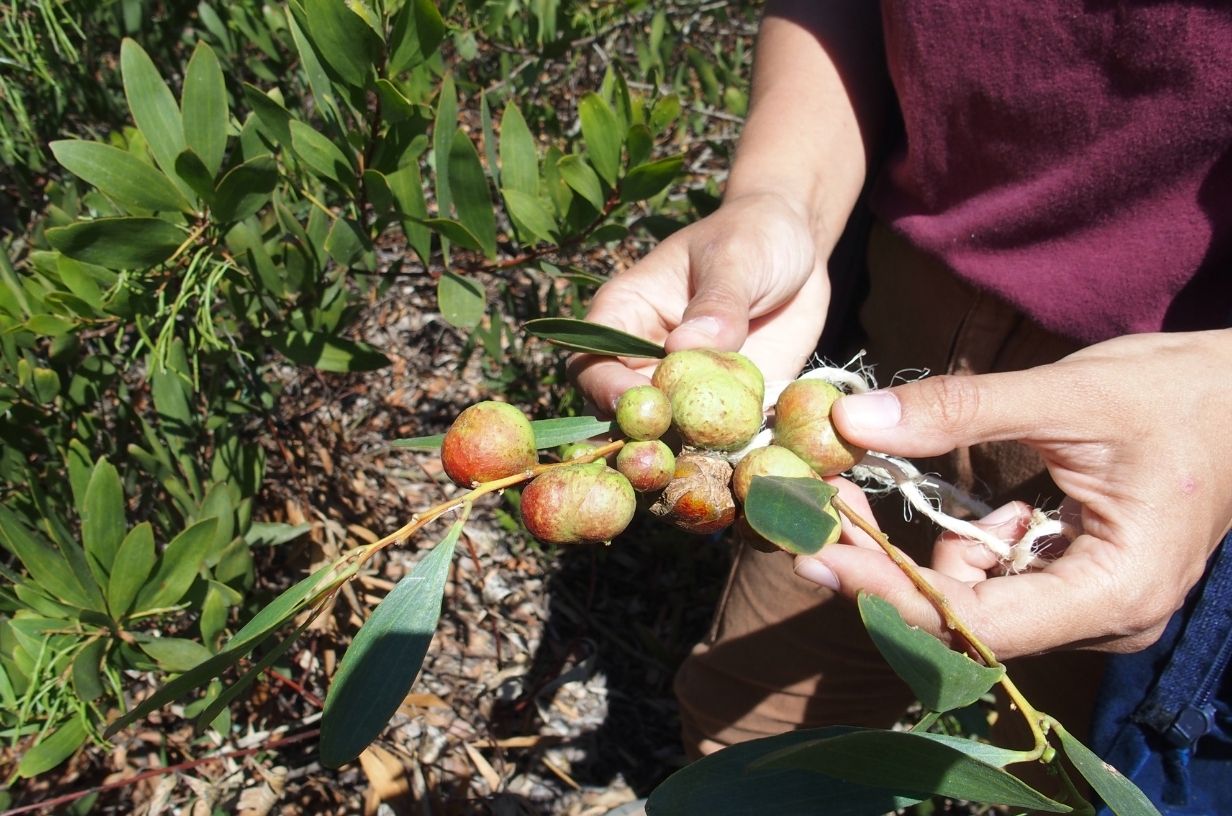
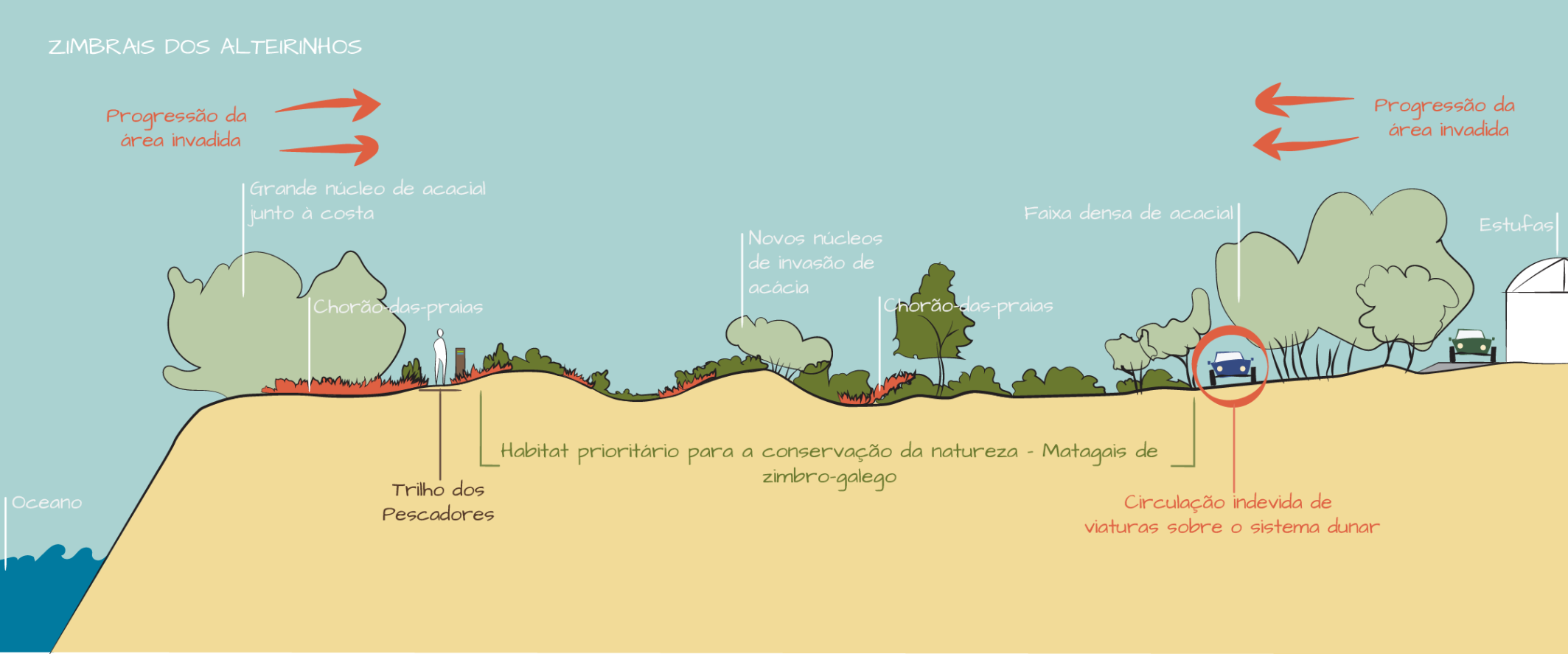
During this activity, with the support of volunteers, we introduced several Trichi galls in two distinct clusters of Acacia longifolia. In total, about 40 gall new hotspots were introduced in areas where they did not exist yet, covering an extension of almost 200 meters. These new clusters were installed along the main invasion front (the Acacia longifolia strip) and in a large dense cluster of acacias near the coastline, which is rapidly advancing on this section of the Fishermen’s Trail.
In the coming months, we will continue to closely monitor if this small wasp has established itself and if it starts to have an effect on controlling Acacia longifolia clusters’.
MALHÃO TEMPORARY PONDS PILOT AREA
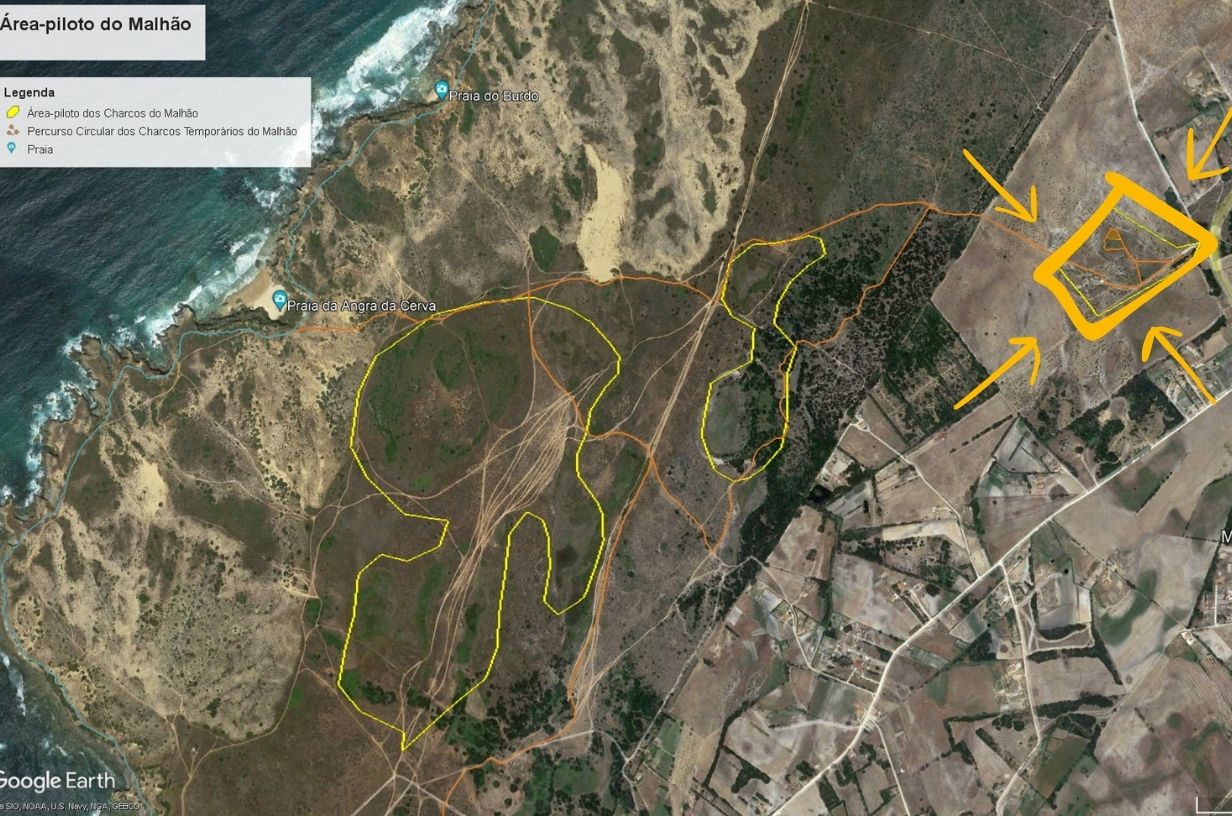
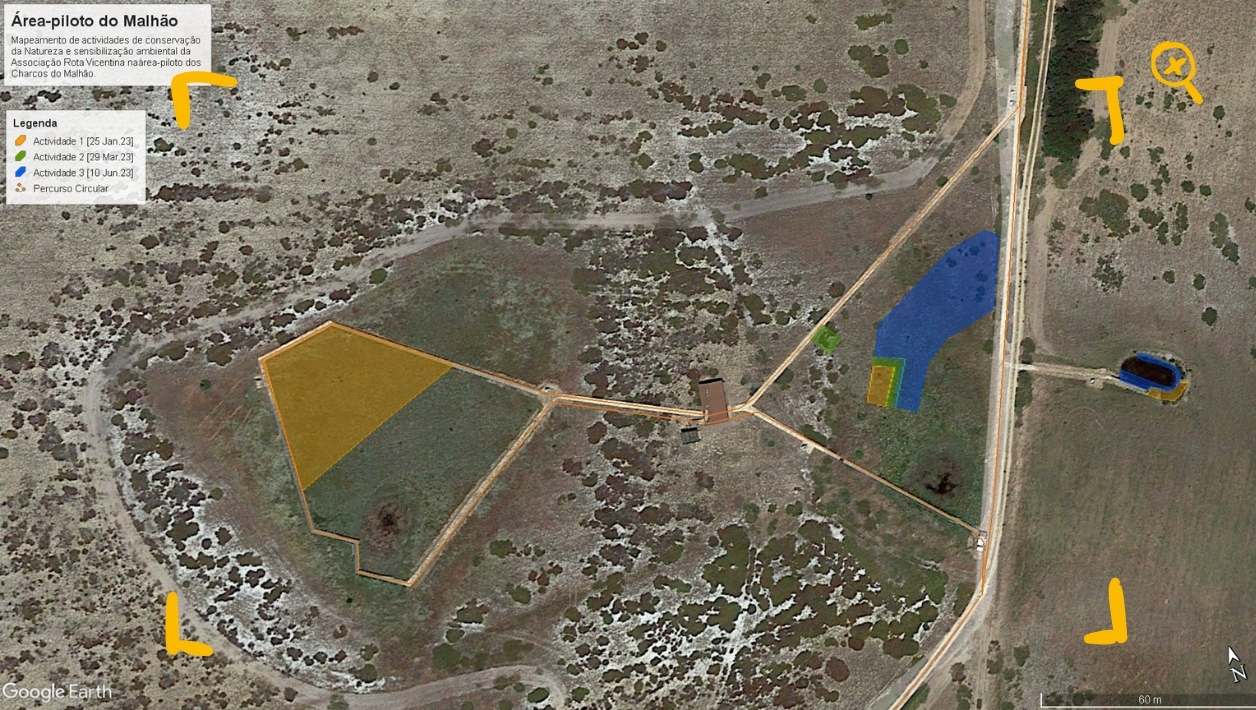
The Malhão Ponds pilot area is also extensive, but unlike the Alteirinhos one, the intervention focuses on more dispersed and fragmented spots, coinciding with the presence of the mentioned ponds. Due to the difficulty of accessing all the ponds with volunteer groups, we chose to concentrate the activities of this season near the Interpretive Center of the Malhão Temporary Ponds.
In this intervention area, the presence of Hottentot fig (Carpobrotus edulis) is dominant, forming dense mats that surround and cover these habitats. This happens also because there is a very scarce presence shrubs, or almost non-existent, and consequently the invasive plants can easily spread without any barriers.
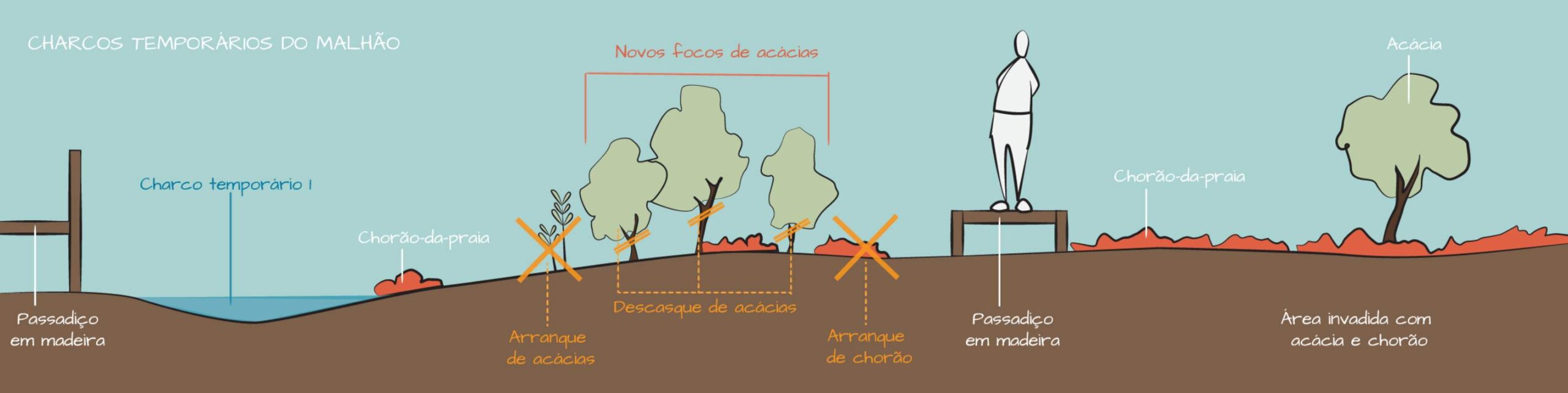
Despite not being the dominant invasive species in malhão ponds, Acacia longifolia spreads very quickly due to its size, rapid growth, and ability to disperse over greater distances. Because of the, the long leaved wattle requires special attention when it starts to enter the potential flooding area of the temporary ponds. Why? The temporary pond is a shallow water body (between 20 and 50 cm deep) where sunlight can reach the entire water column, which is essential for the habitat quality and life cycle of its characteristic species. When an invasive species like Acacia longifolia enters this ecosystem, it not only consumes the water in it but also shades this water column, blocking access to these precious natural resources for the endemic plant and animal species of this extremely sensitive ecosystem.
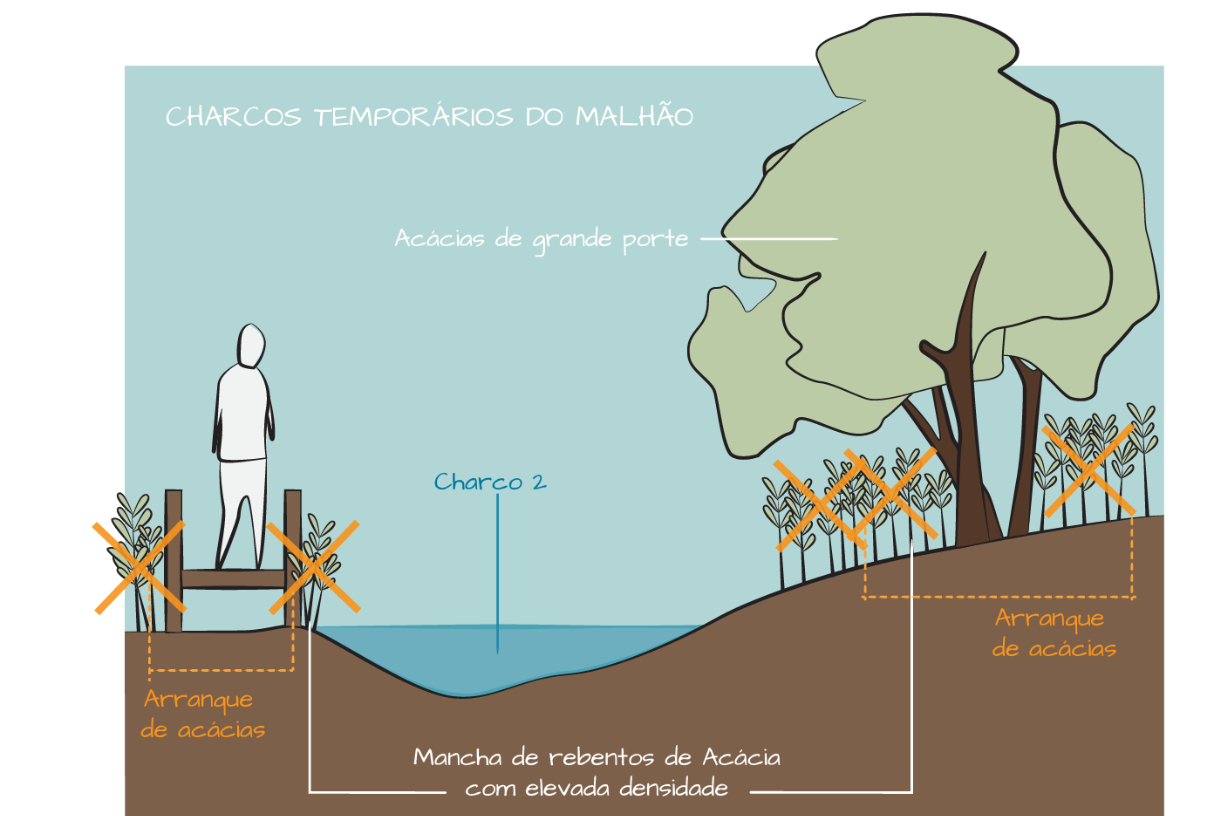
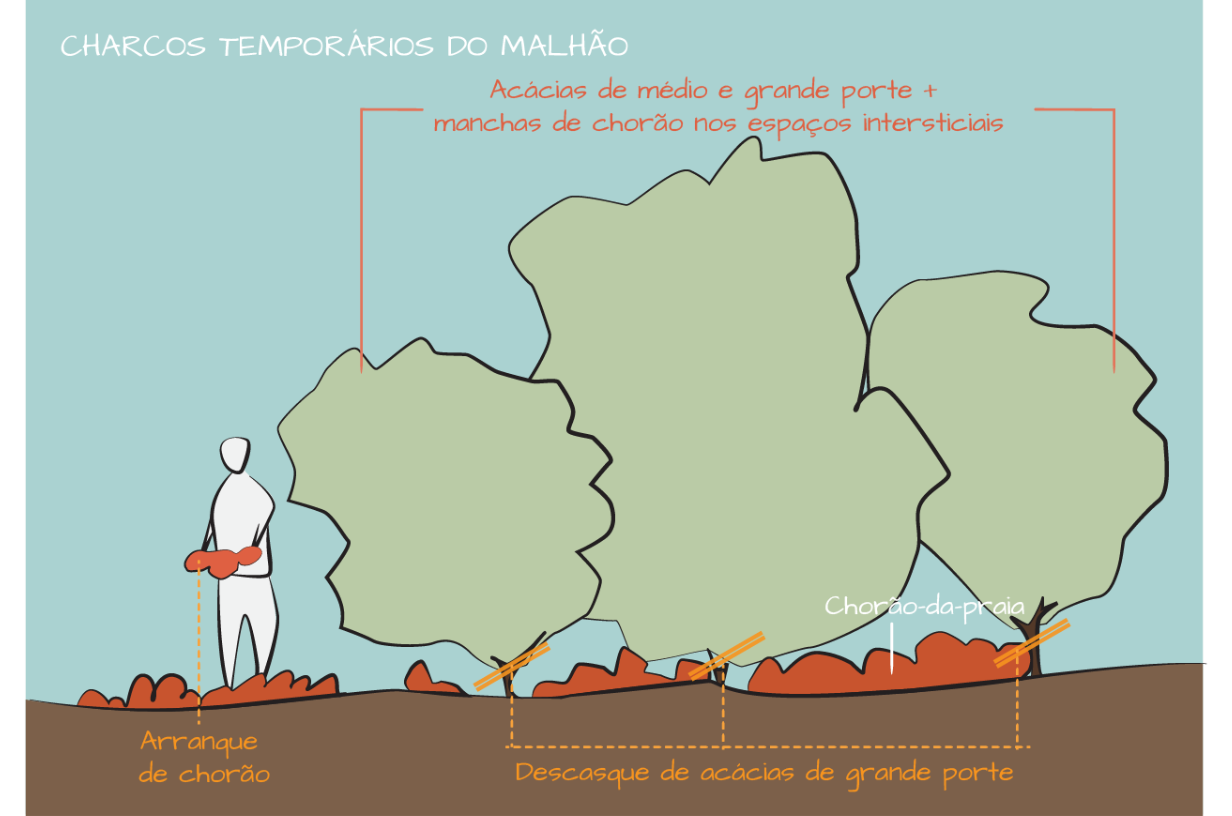
In this pilot area, a total of 3 interventions were carried out in this season:
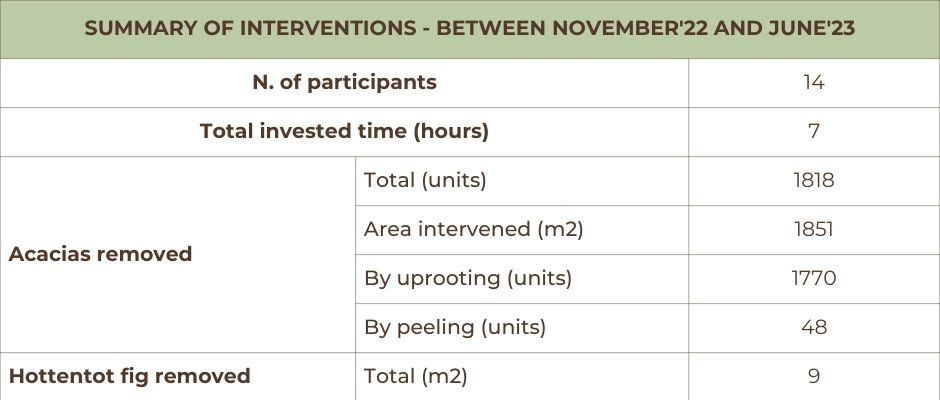
In this case, the efforts were always concentrated in the center and around the ponds with the aim of freeing the main important areas of invasive species. Unfortunately, this habitat is extremely affected by invasives, but also by climate change. It is increasingly difficult to identify the pond rings because there is less and less water present each year. In the 2022-2023 season, unfortunately, we did not observe the presence of water in these locations. The activity on June 10th, integrated into the local fair FEI~TUR activities program, had a more robust participation of volunteers, and it was possible to control a significant area of large acacias, something that had not been achieved for some time. You can check the moments we recorded from these activities in 2022-2023:
- November 16th – Alteirinhos’ Junipers
- December 10th – Alteirinhos’ Junipers
- January 25th – Malhão Ponds
- February 25th – Malhão Ponds
- March 29th – Malhão Ponds (on Semana ID 2023)
- May 13th – Alteirinhos’ Junipers
- June 10th – Malhão Ponds
These and other similar examples demonstrate, in practice, the importance and positive impact that volunteers can have in Rota Vicentina. Therefore, we want to extend a special thanks to all the volunteers who joined us in these nature conservation and environmental awareness activities! The more we are, the better we can control the progress of these invasive species and help restore the natural ecosystems along our coast. We will count on you for future nature conservation activities!
This next season we will be back only with the maintenance hikes, for now! Stay tuned for our new Volunteering Calendar release. See you soon!
Graduated in Landscape Architecture, she has always been connected to Nature. Leonor loves plants, music, crafts, drawing and walking. The Alentejo is your home.
Our suggestions
Search by category
